
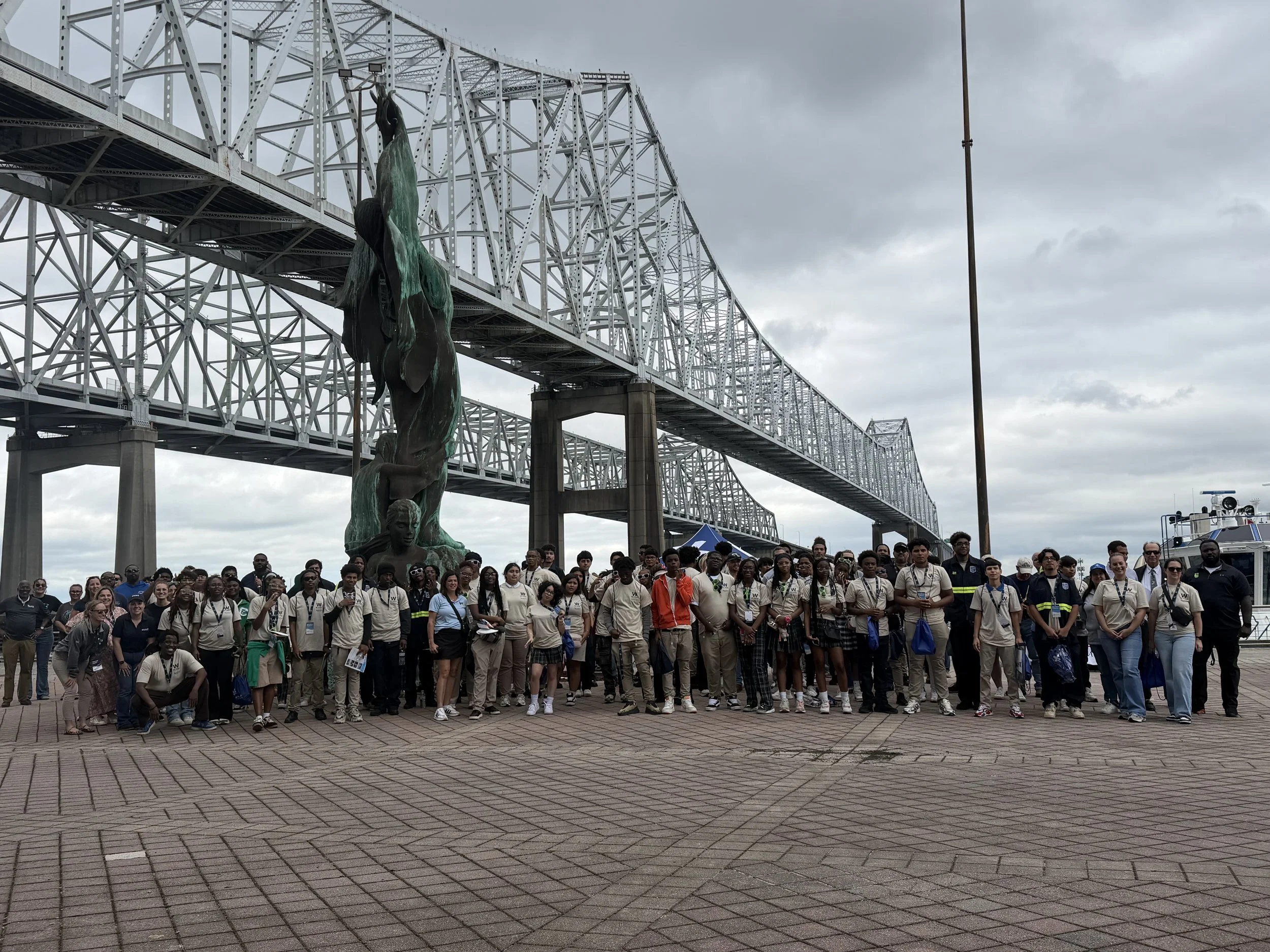
For many young people in Southeast Louisiana, the Mississippi River is part of the landscape they see every day. What may be less familiar is the range of careers it supports and the opportunities waiting for them along the water and on shore.
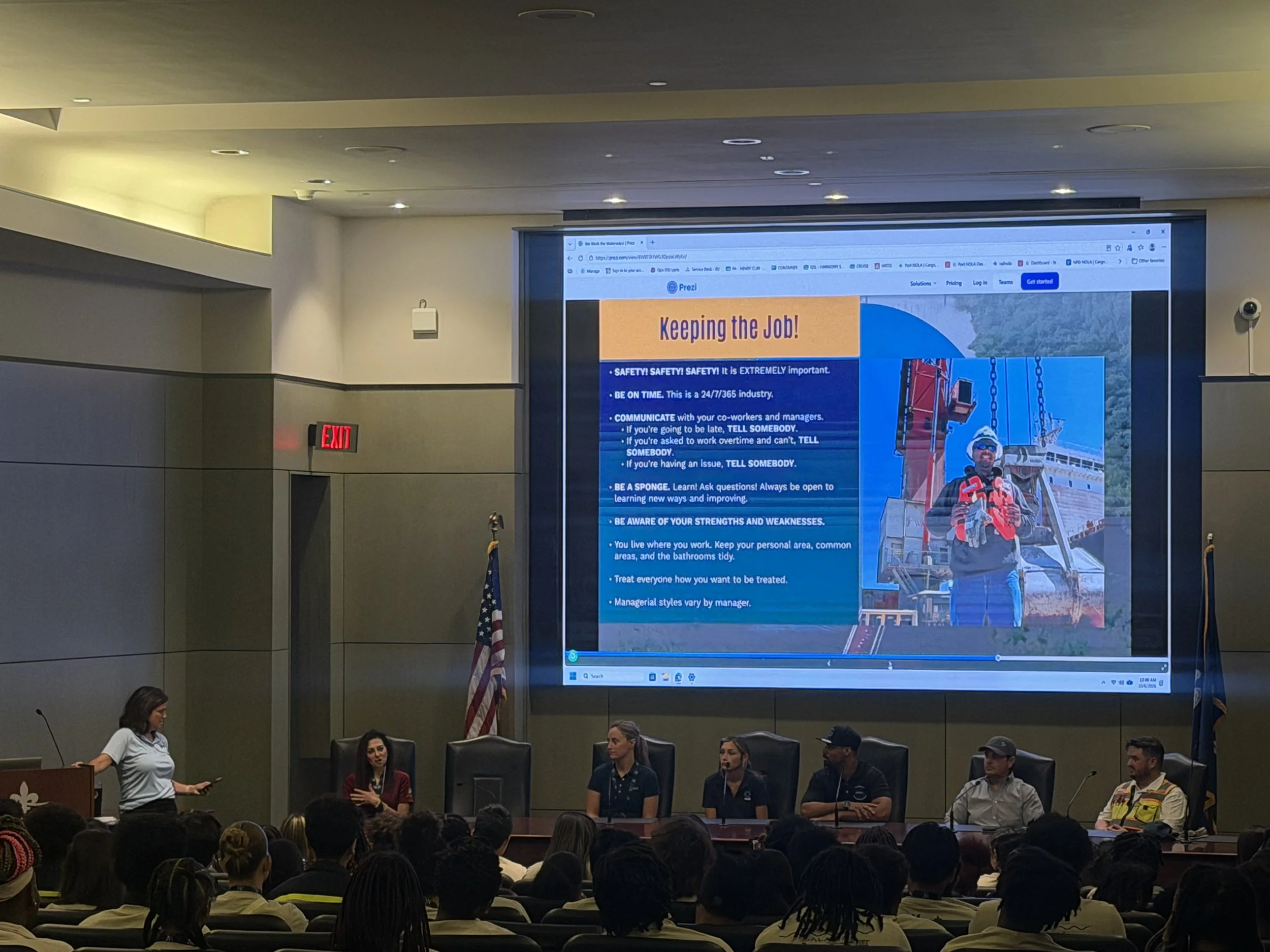
Earlier this month, students from area schools and organizations discovered some of those possibilities during We Work the Waterways Day at the Port of New Orleans. Junior Achievement of Greater New Orleans helped coordinate the event, connecting students with industry professionals who shared their experiences and introduced them to careers in maritime operations, logistics, transportation, safety, and skilled trades.
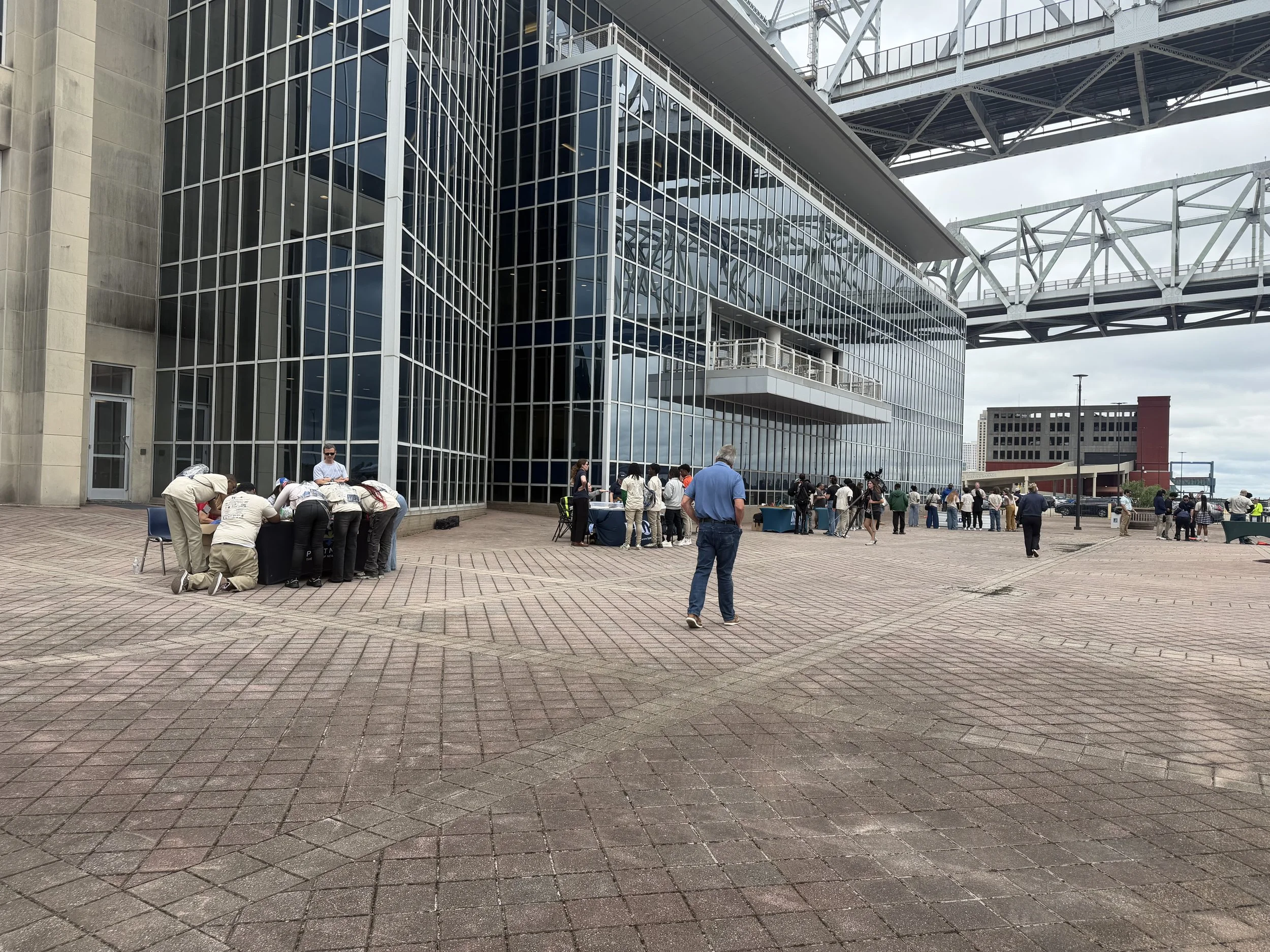
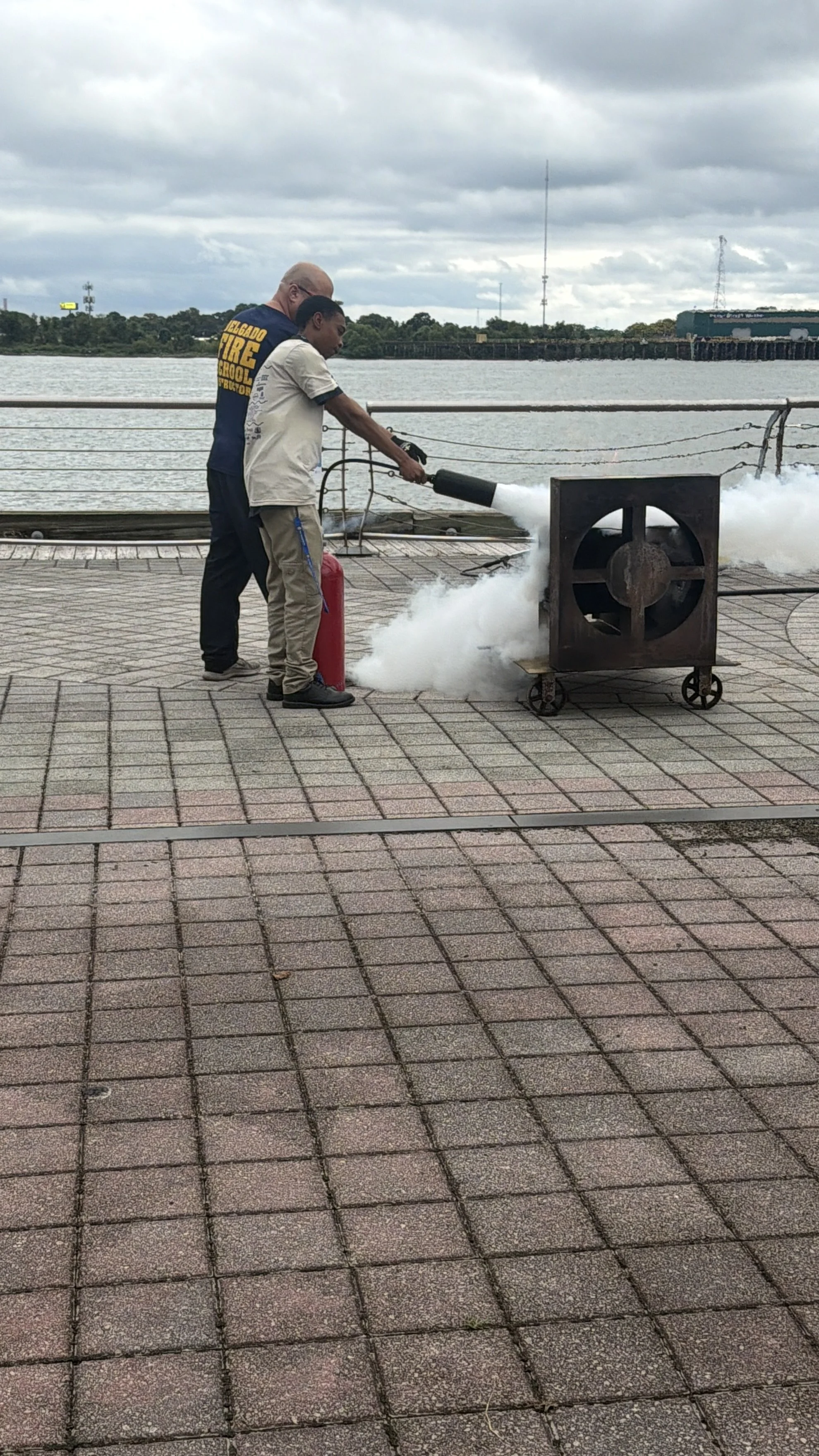
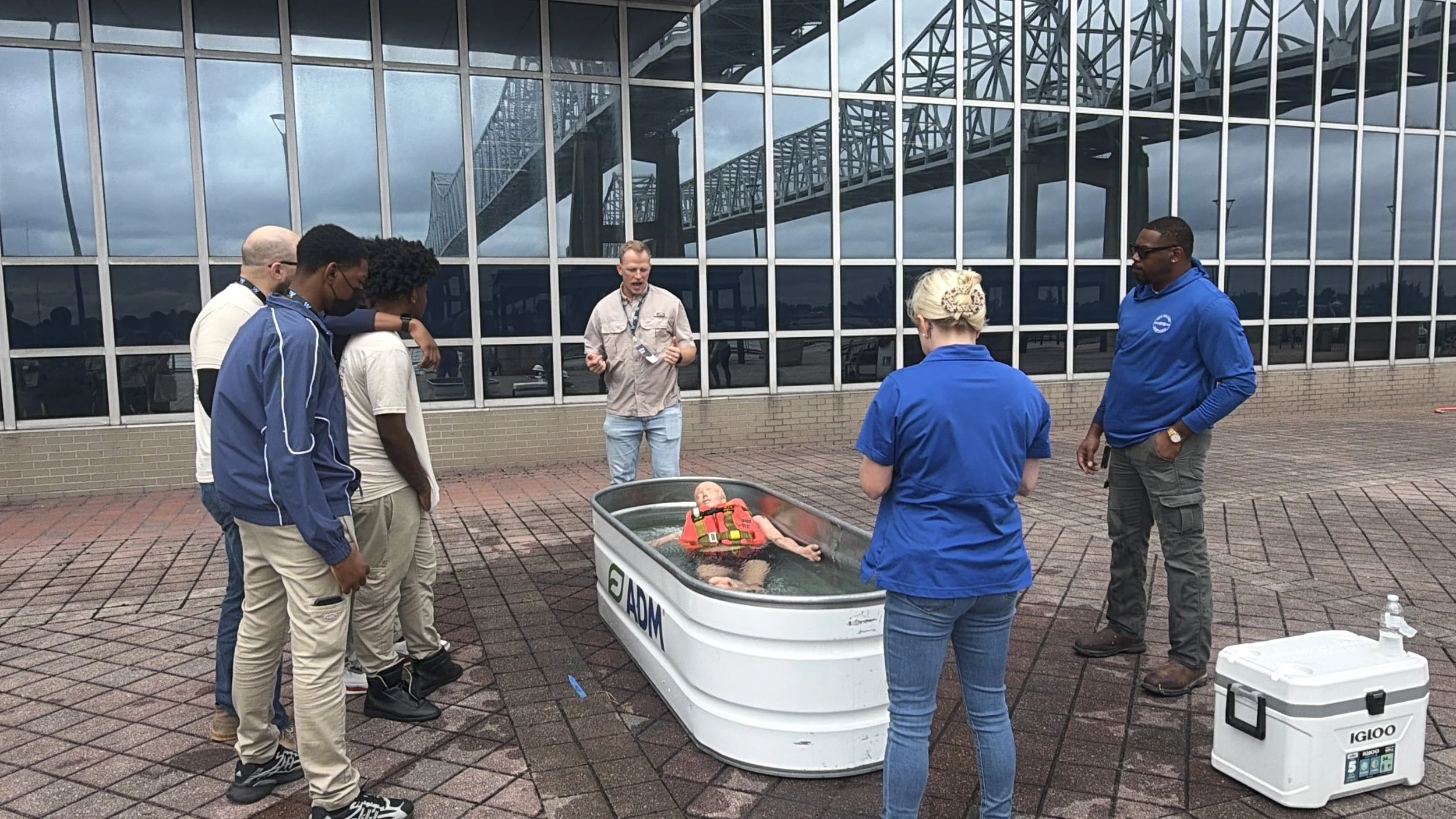
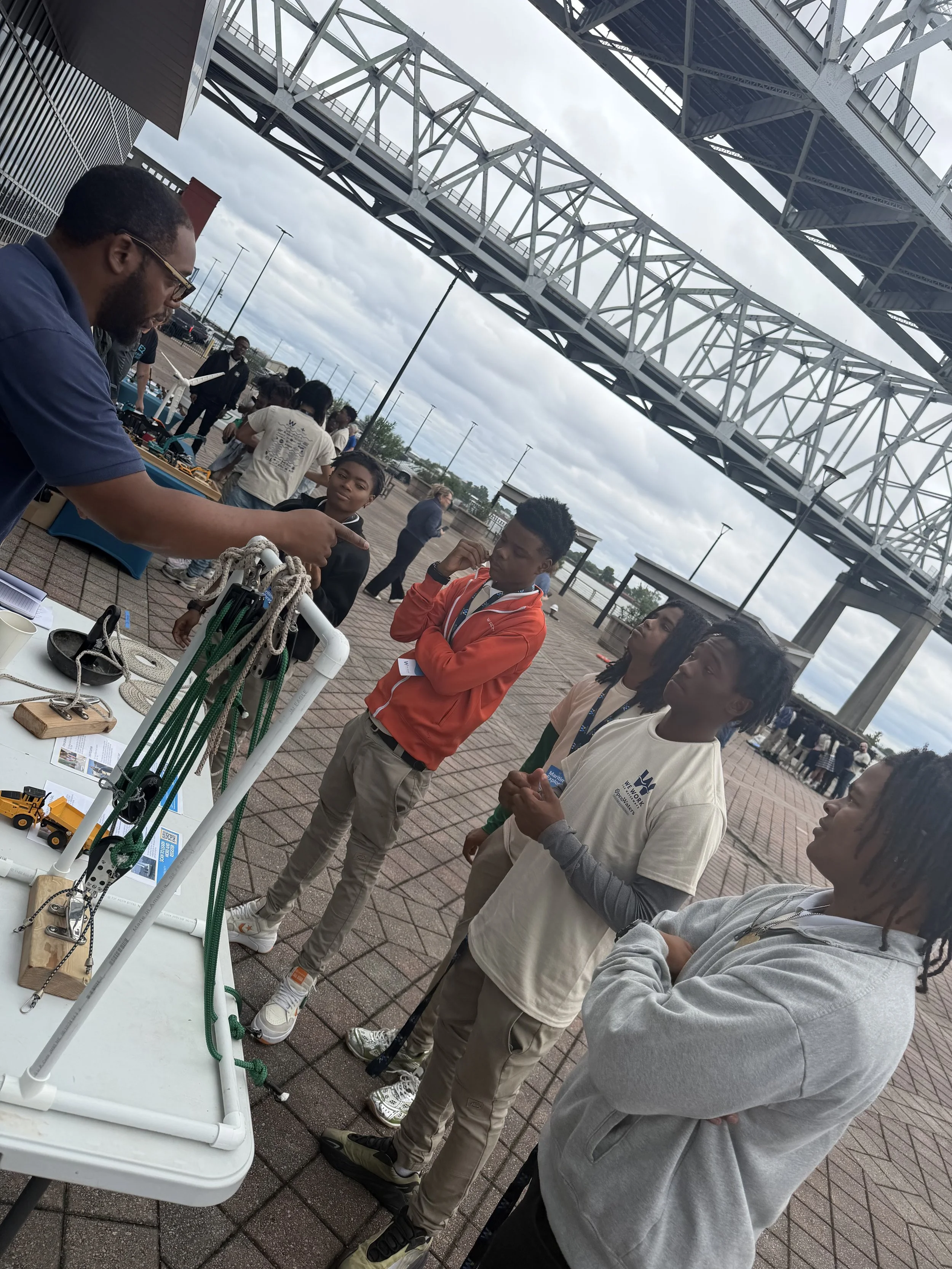
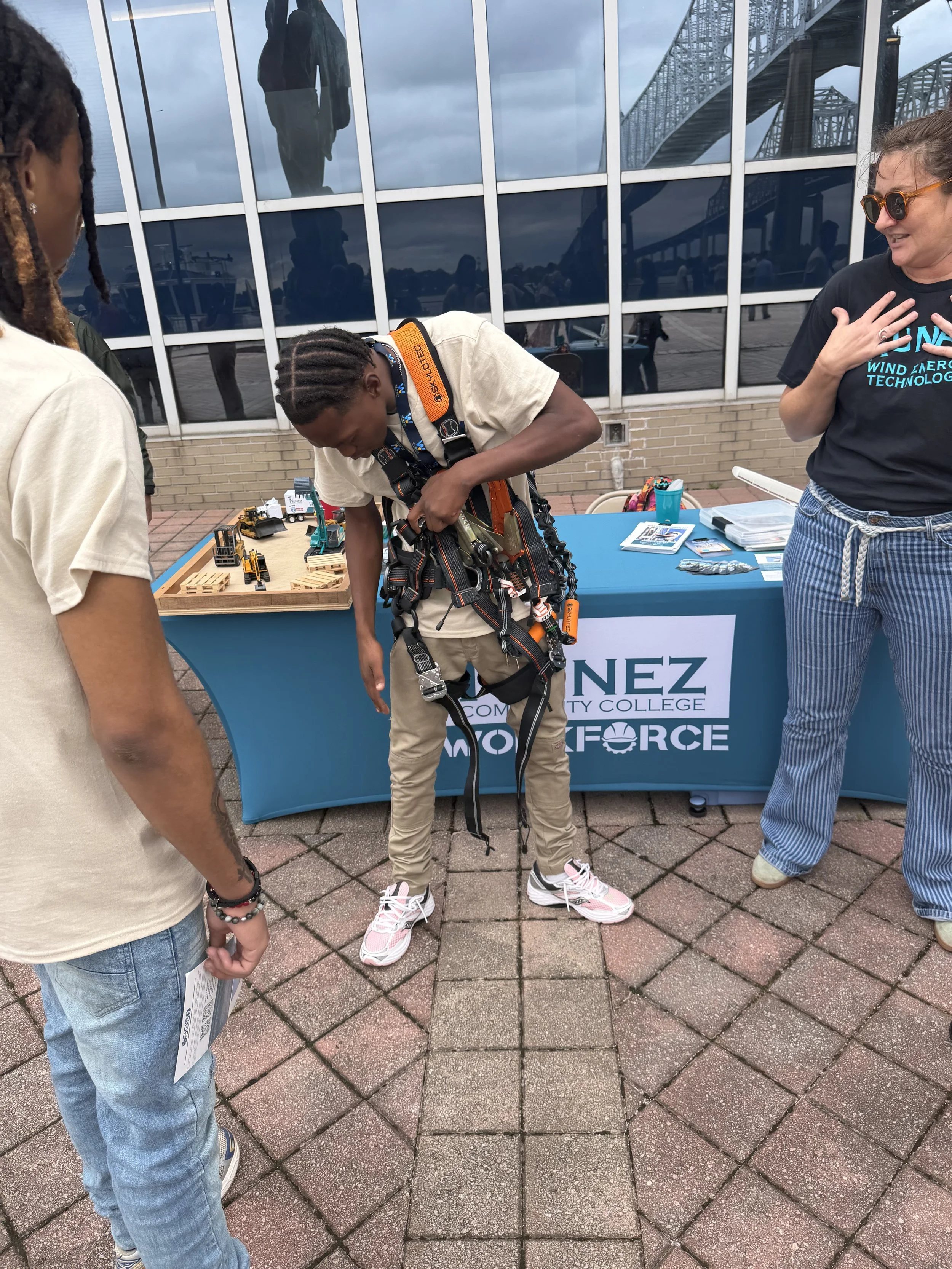
The hands-on activities gave students a chance to do more than hear about the work. They could try equipment, ask questions, and begin to picture themselves in jobs they might not have known existed.
One educator said the hands-on activities were among the most valuable parts of the day: “I heard so many scholars saying ‘I can do this’ while engaged in activities.”
Students felt that excitement, too. “The field trip was good. My favorite part was getting to try on the equipment,” one student shared. Another said, simply, “I can see myself doing this.”
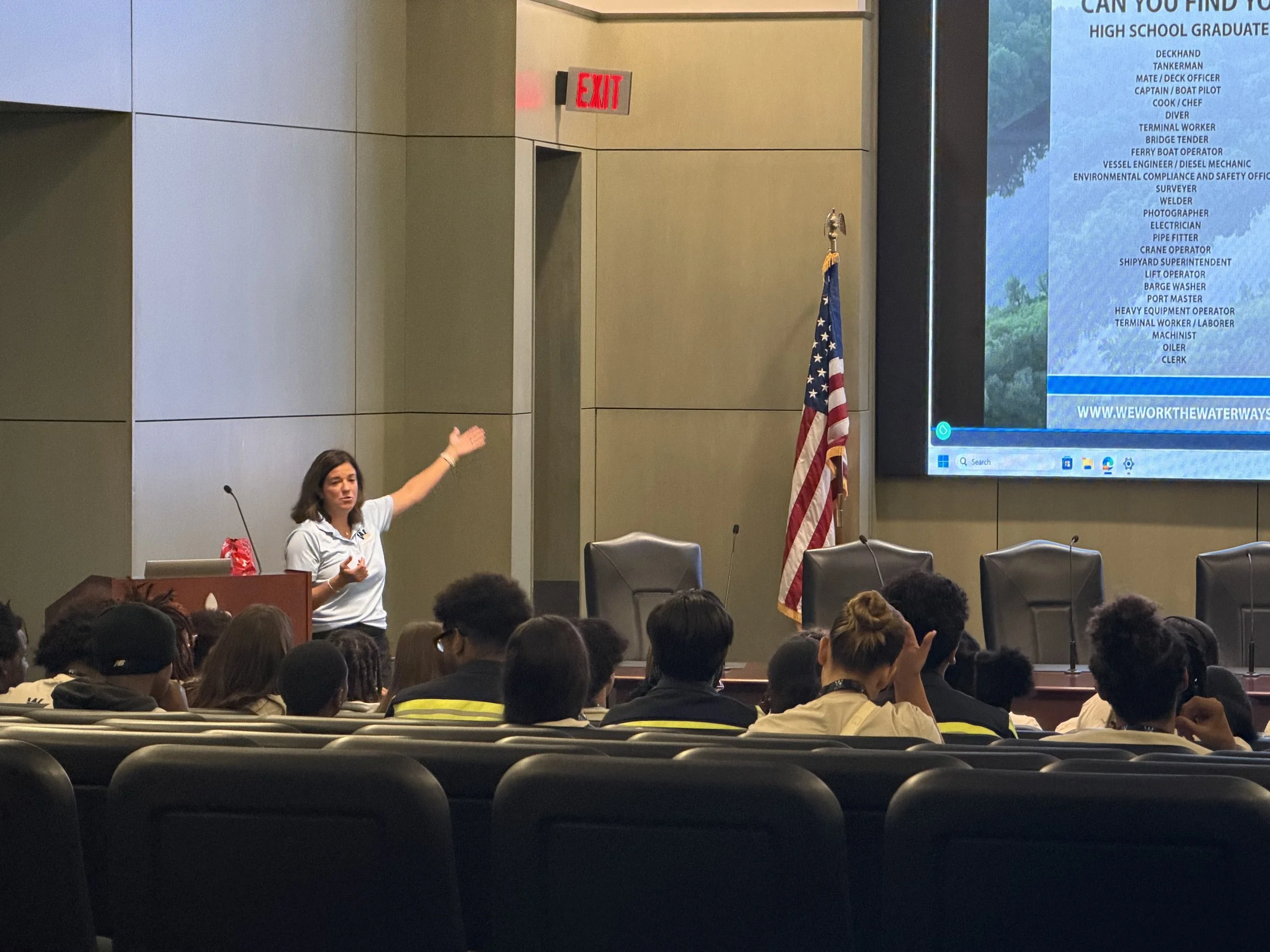
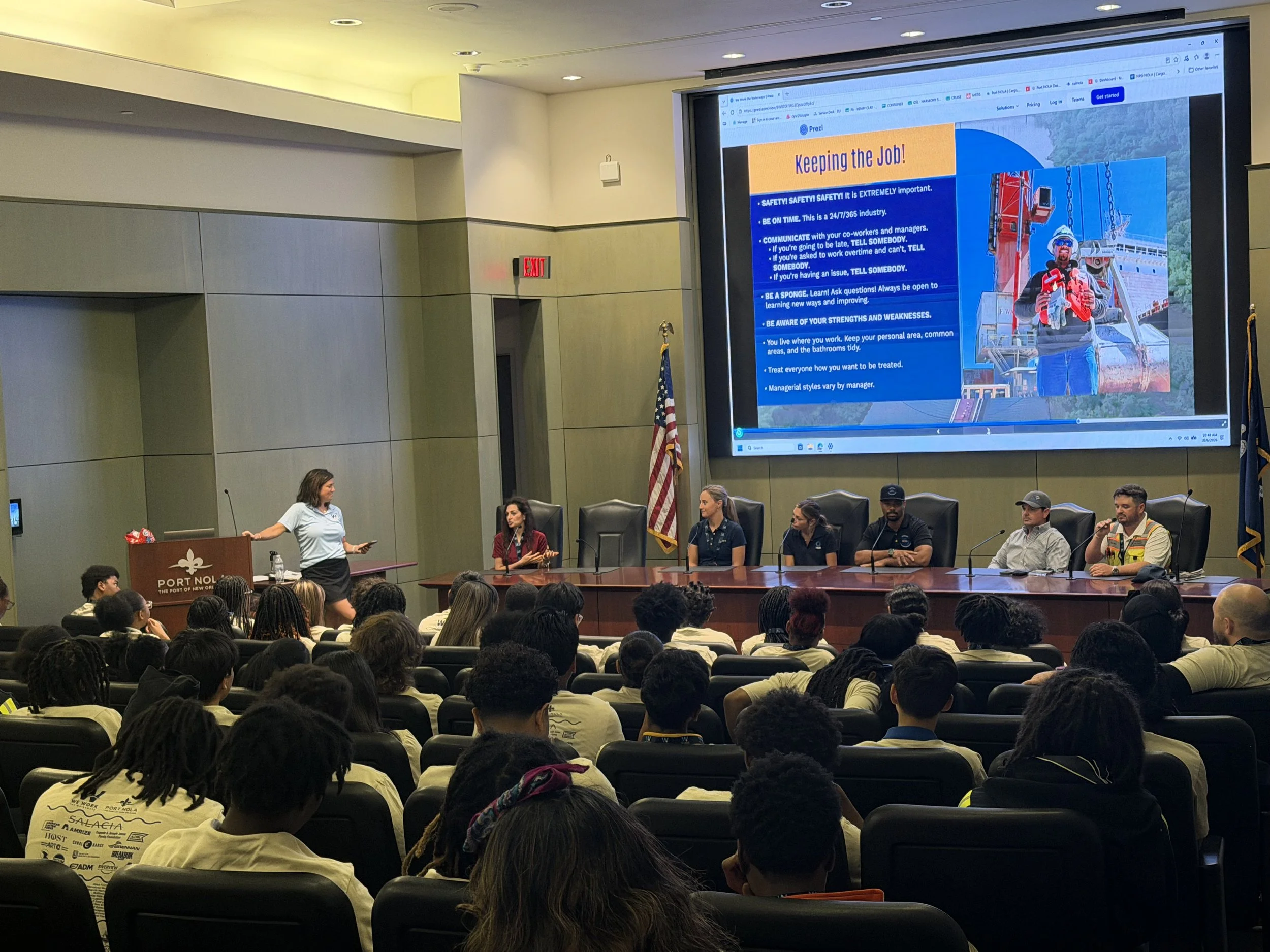
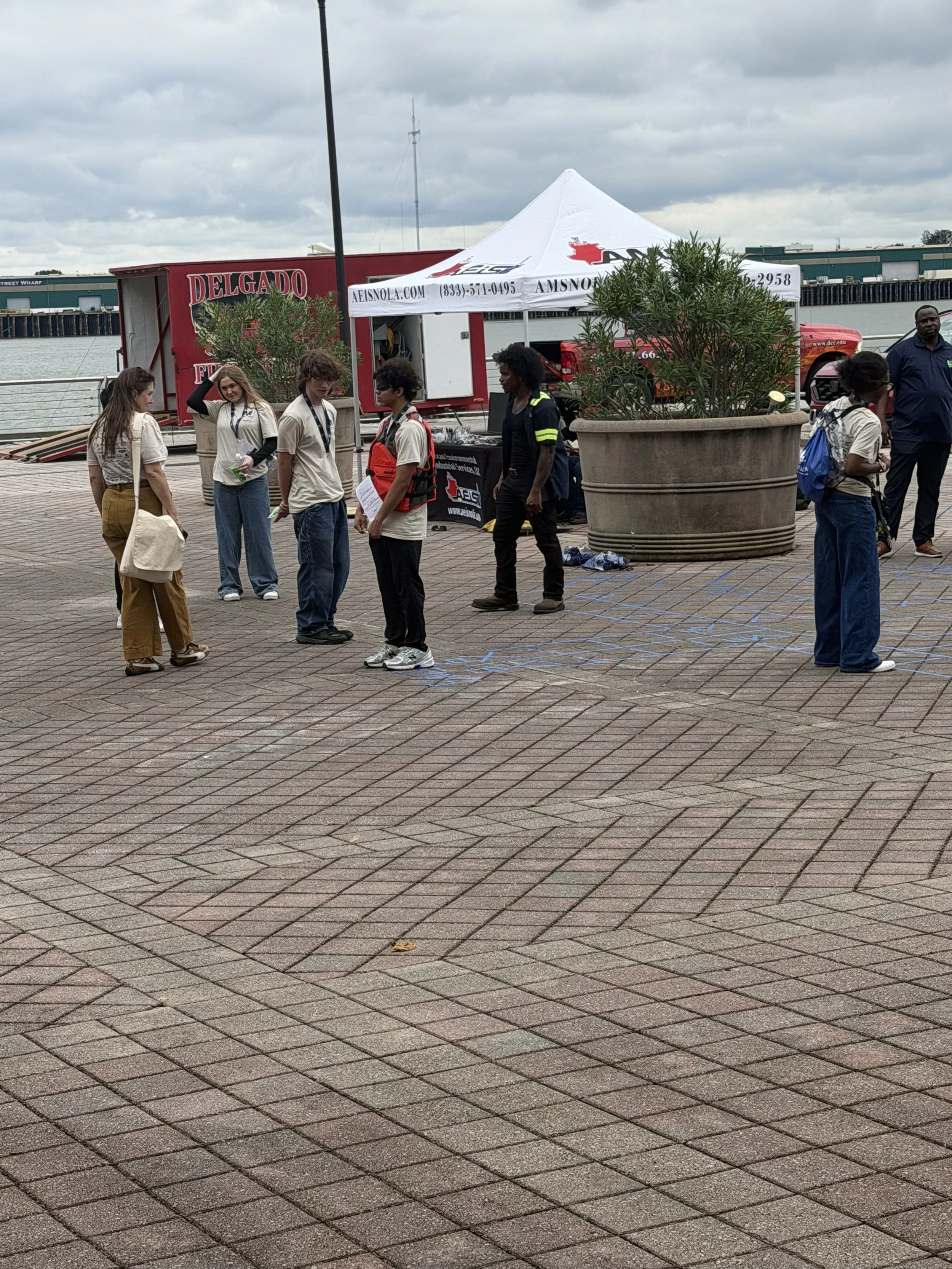
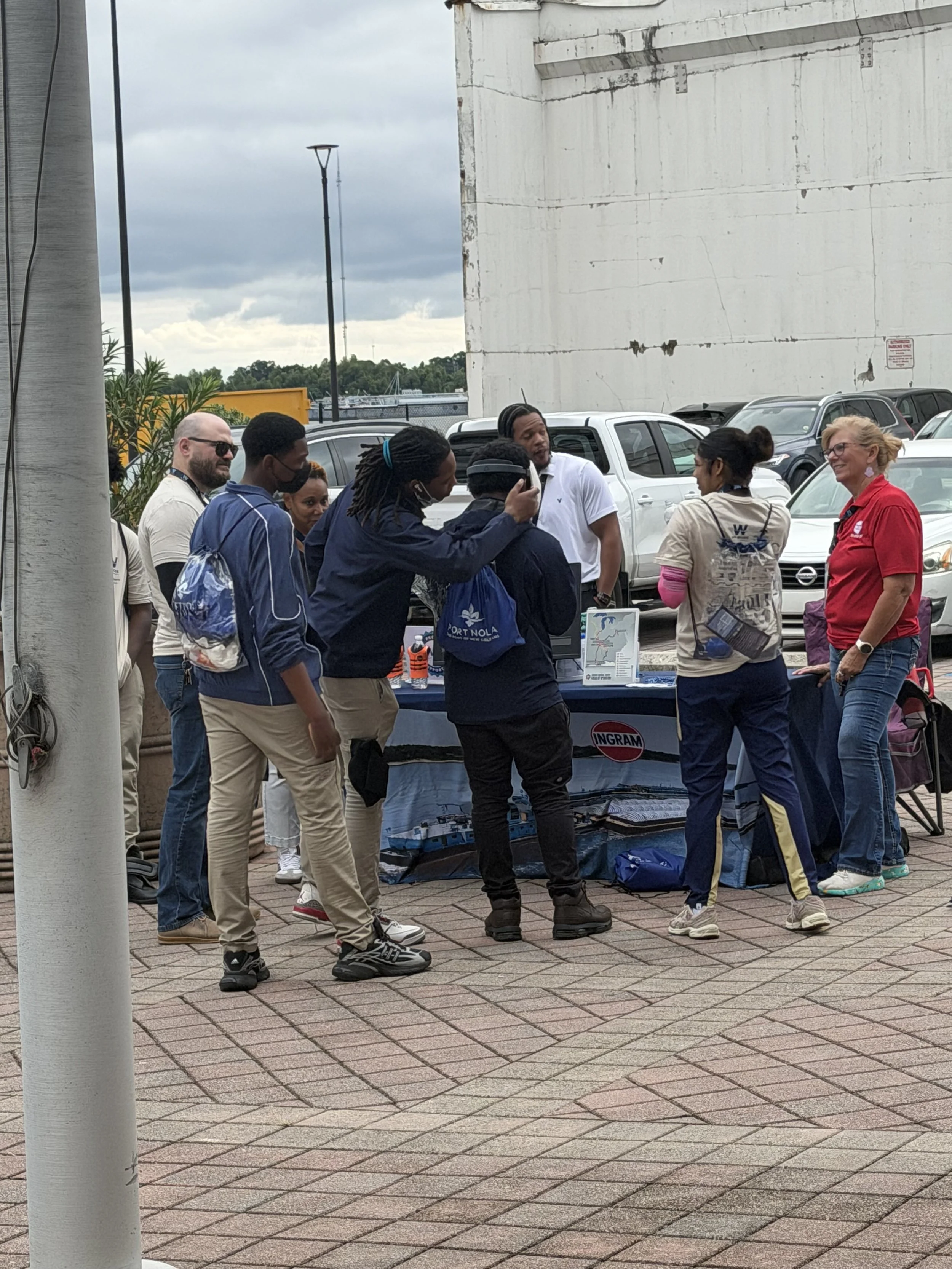
The maritime industry helps move goods and connects Southeast Louisiana to communities and markets around the world. Its workforce includes people who operate vessels and work on docks, as well as those who repair equipment, coordinate shipments, manage safety, and support business operations.
The Port of South Louisiana’s 2025 economic impact study estimates that activity connected to the port supports 19,200 jobs in the River Region, including direct jobs and jobs supported through related economic activity.
Those jobs offer a variety of paths and earning opportunities. According to 2025 Bureau of Labor Statistics wage data, the median annual wage in the New Orleans metropolitan area was $121,710 for captains, mates, and pilots of water vessels. The median is the midpoint: Half of workers in an occupation earned more and half earned less. Pay varies by position and experience, and advanced vessel roles generally require additional training, credentials, and time on the water.
There are many ways to enter the industry. Some positions offer on-the-job training or require a high school diploma and specialized credentials; others call for technical education or a college degree. We Work the Waterways’ Maritime Careers Hub features nearly 100 careers and lets students explore them by pathway, starting salary range, and education requirements.
For educators, the value of the day extended beyond the activities themselves. One shared that students returned eager to talk about what they had learned and the positions that interested them.
“Because of the event, scholars who didn’t have a plan, have a plan now and I am truly thankful,” the educator said. “Seeing them so excited about their future makes me so proud.”
Another educator reflected on both the learning and the fun: “We were in awe at how much the kids were able to learn and how fun it was.” And the enthusiasm spread: One educator noted that other students were asking why they couldn’t attend.
That excitement is what career exploration can make possible. When students meet professionals, try something new, and see the many ways their interests and skills can connect to the world of work, they can begin to imagine a future they may not have seen for themselves before.
Thank you to We Work the Waterways, the Port of New Orleans, and every industry partner who helped make this experience possible and opened students’ eyes to the opportunities flowing through our region.