
Carver High School Special Education Students Experience Real-World Learning at JA BizTown
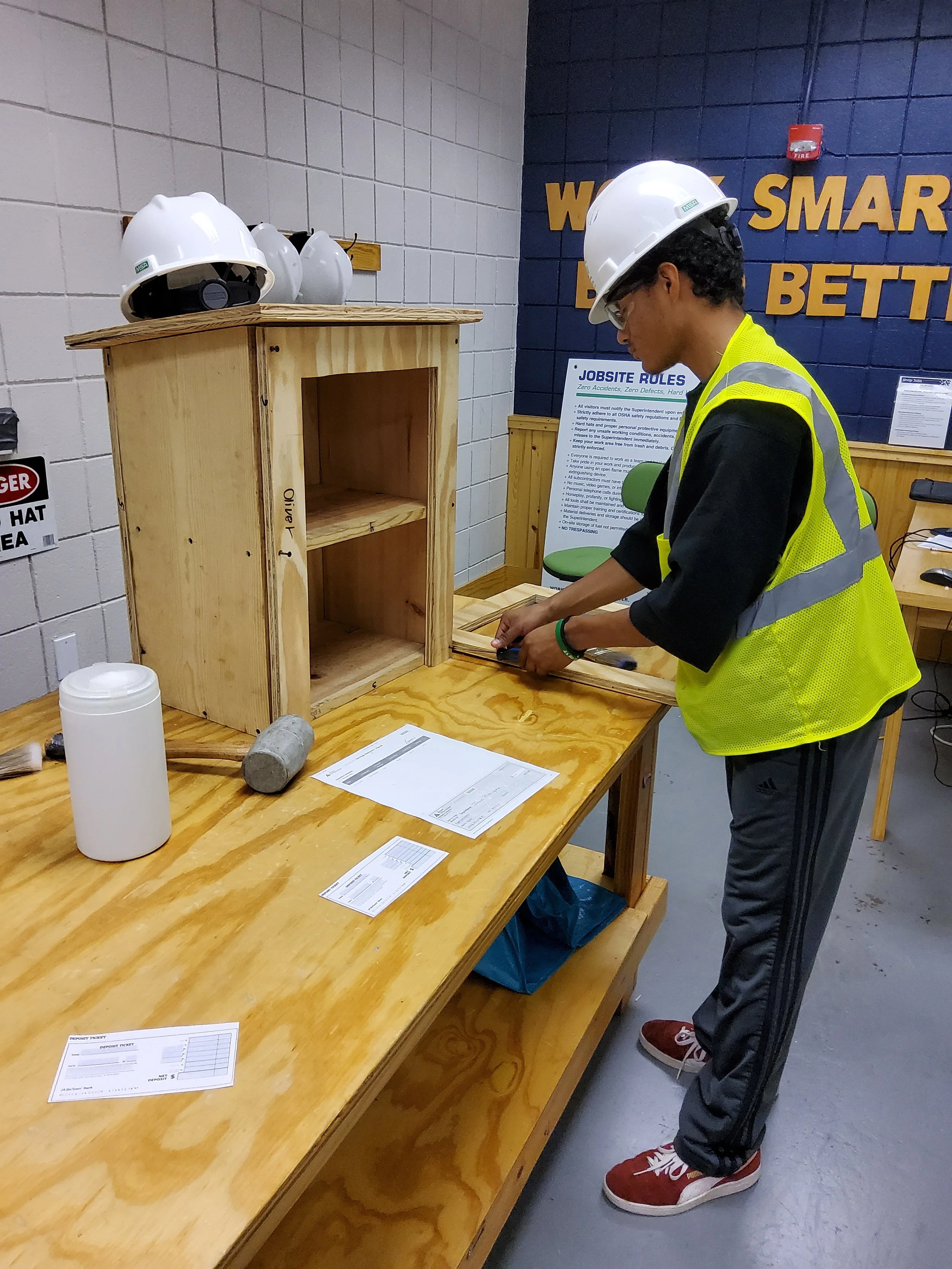
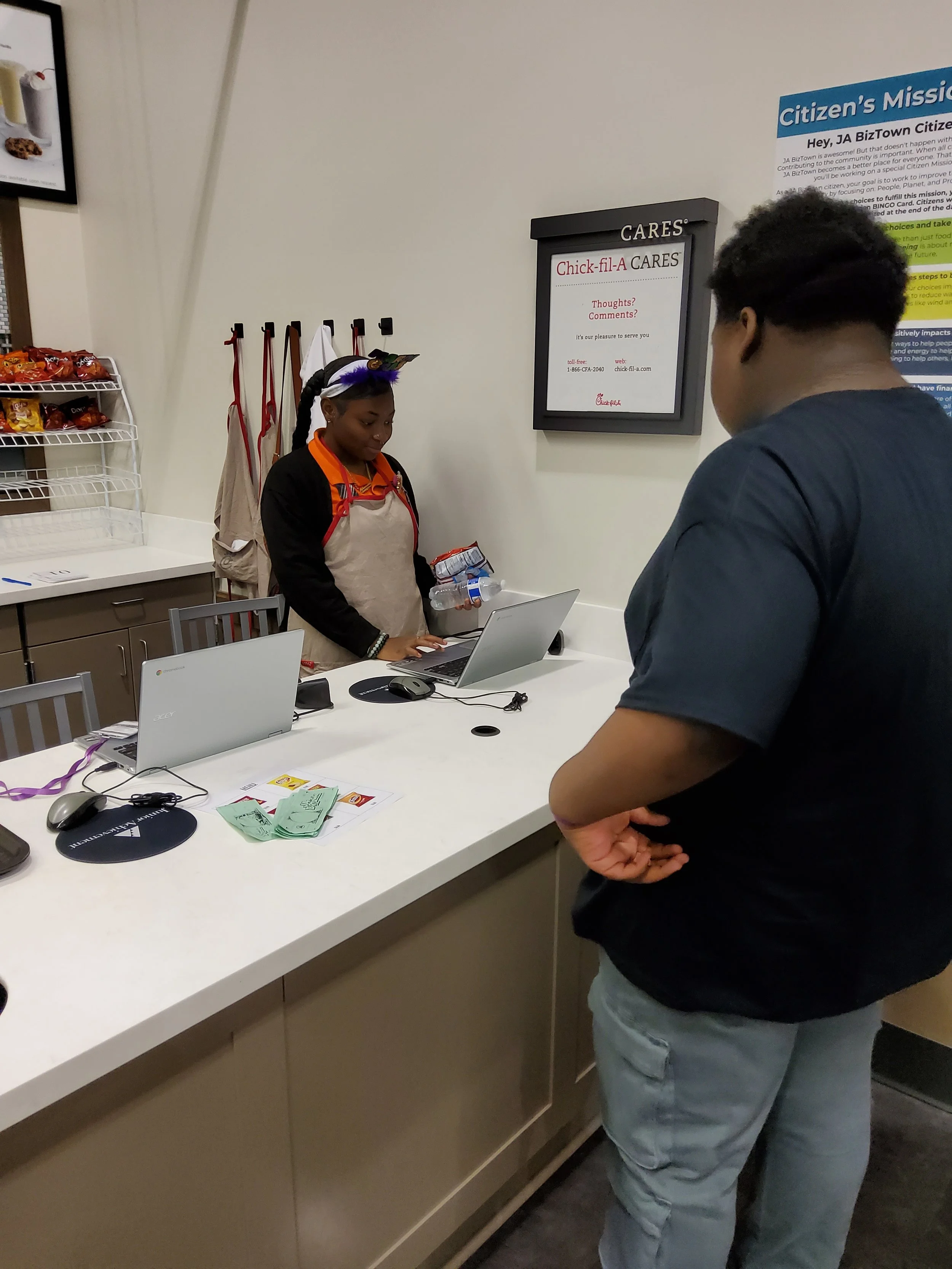
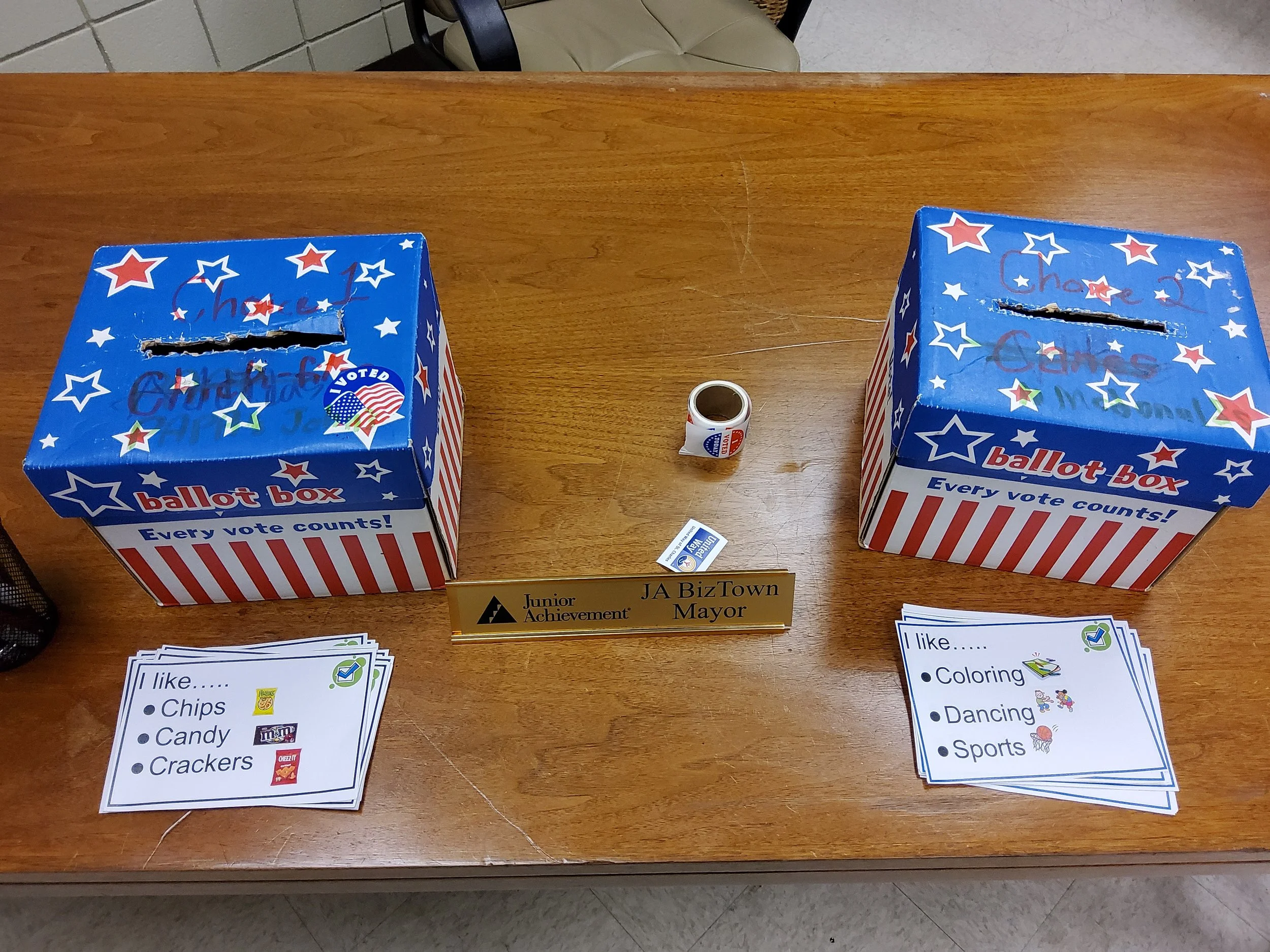
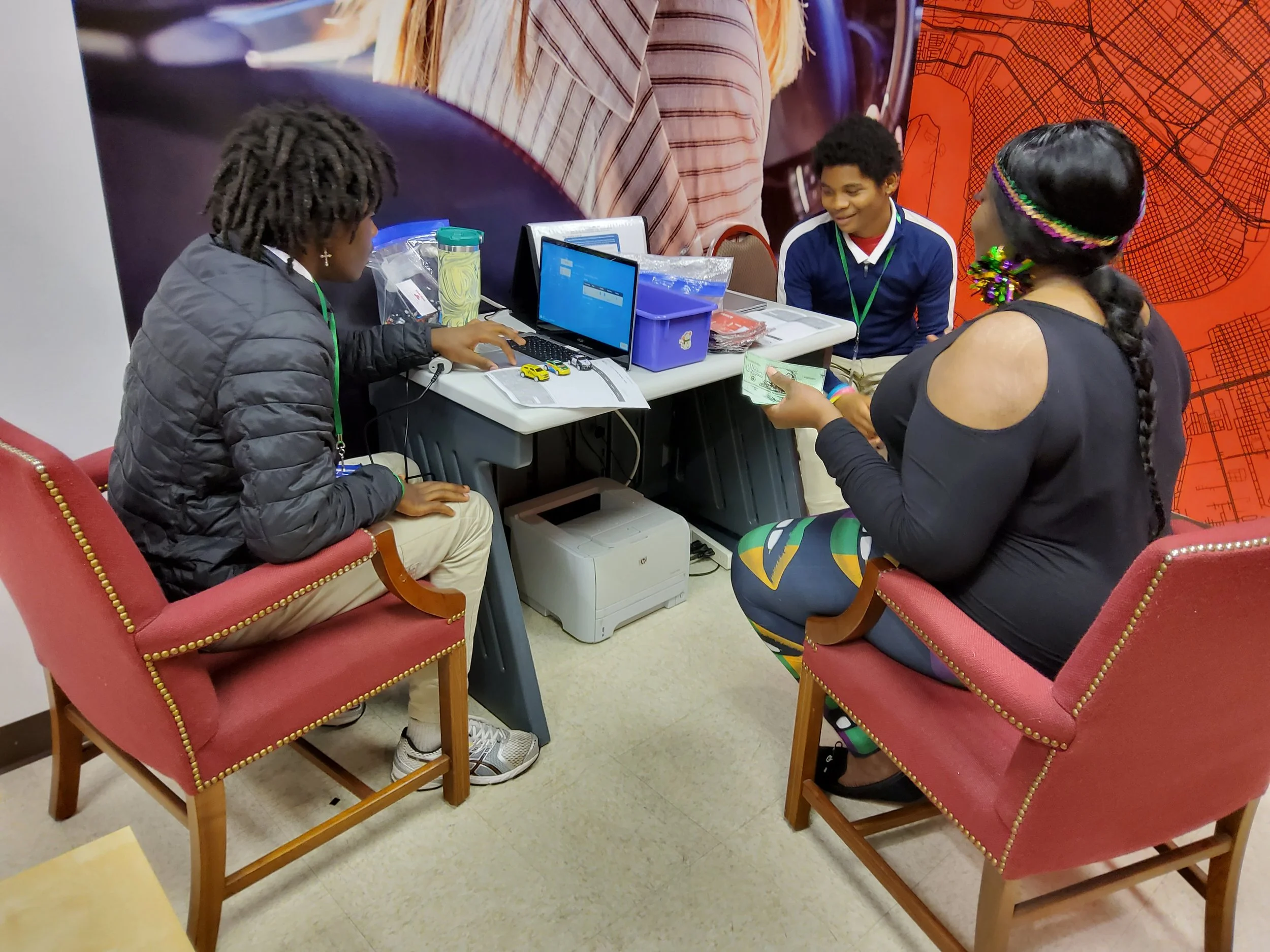
Students from George Washington Carver High School recently stepped into a fully immersive, real-world simulation through JA BizTown, an experience designed to make financial literacy and workforce readiness tangible, engaging, and empowering.
For Carver’s special education (SPED) students, the day was more than a field trip. It was an opportunity to practice independence, decision-making, and confidence in a supportive, hands-on environment built to mirror the real economy.
At JA BizTown, students operate a simulated city where each participant takes on a job and works together to keep the city functioning. Throughout the day, Carver students:
Learned the fundamentals of point-of-sale systems while operating local businesses
Earned paychecks and practiced depositing their earnings at the city bank
Managed personal budgets and made spending decisions
Participated in a mock election and cast their votes
Visited a doctor’s office to better understand health services and financial responsibility
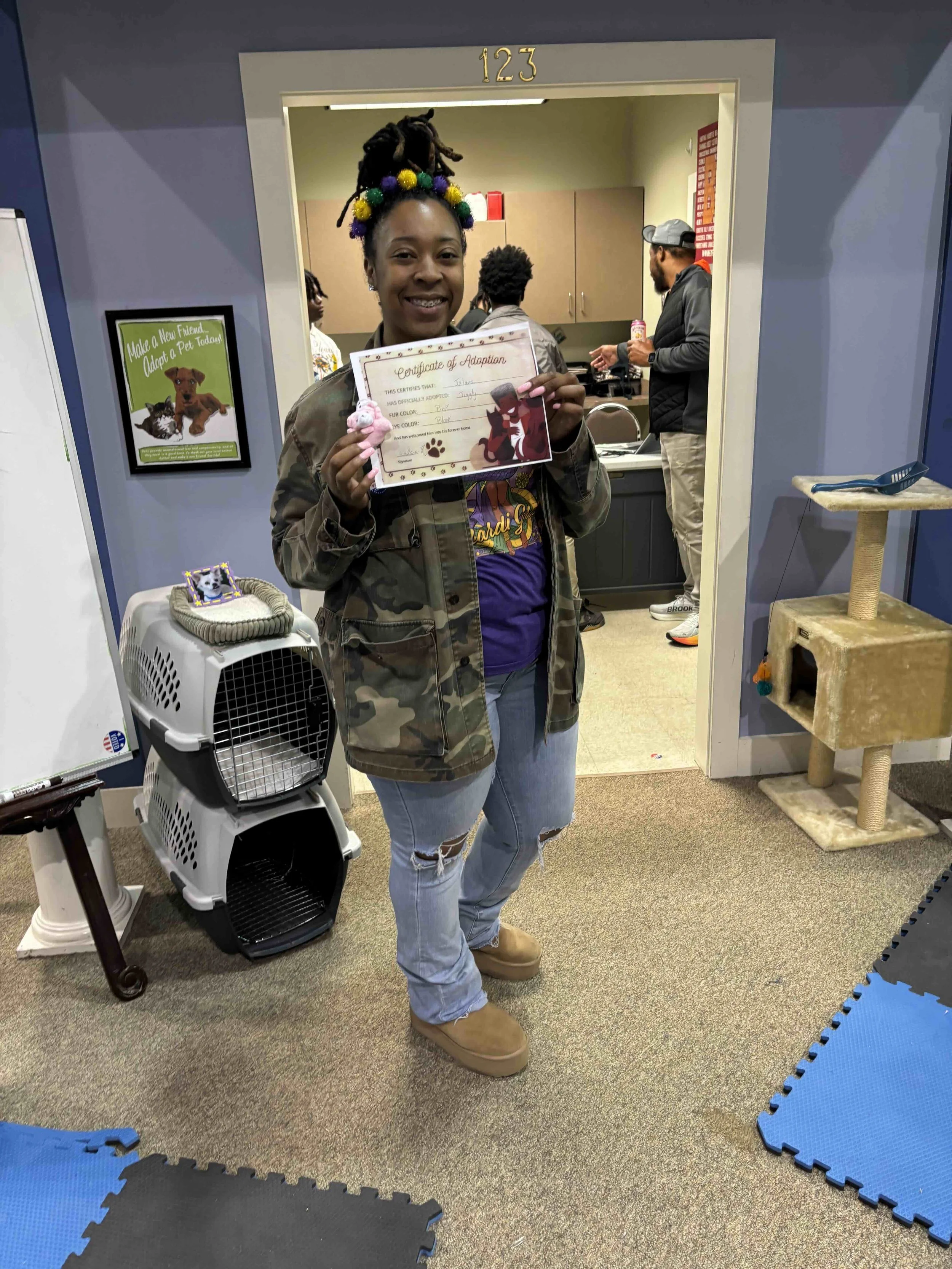
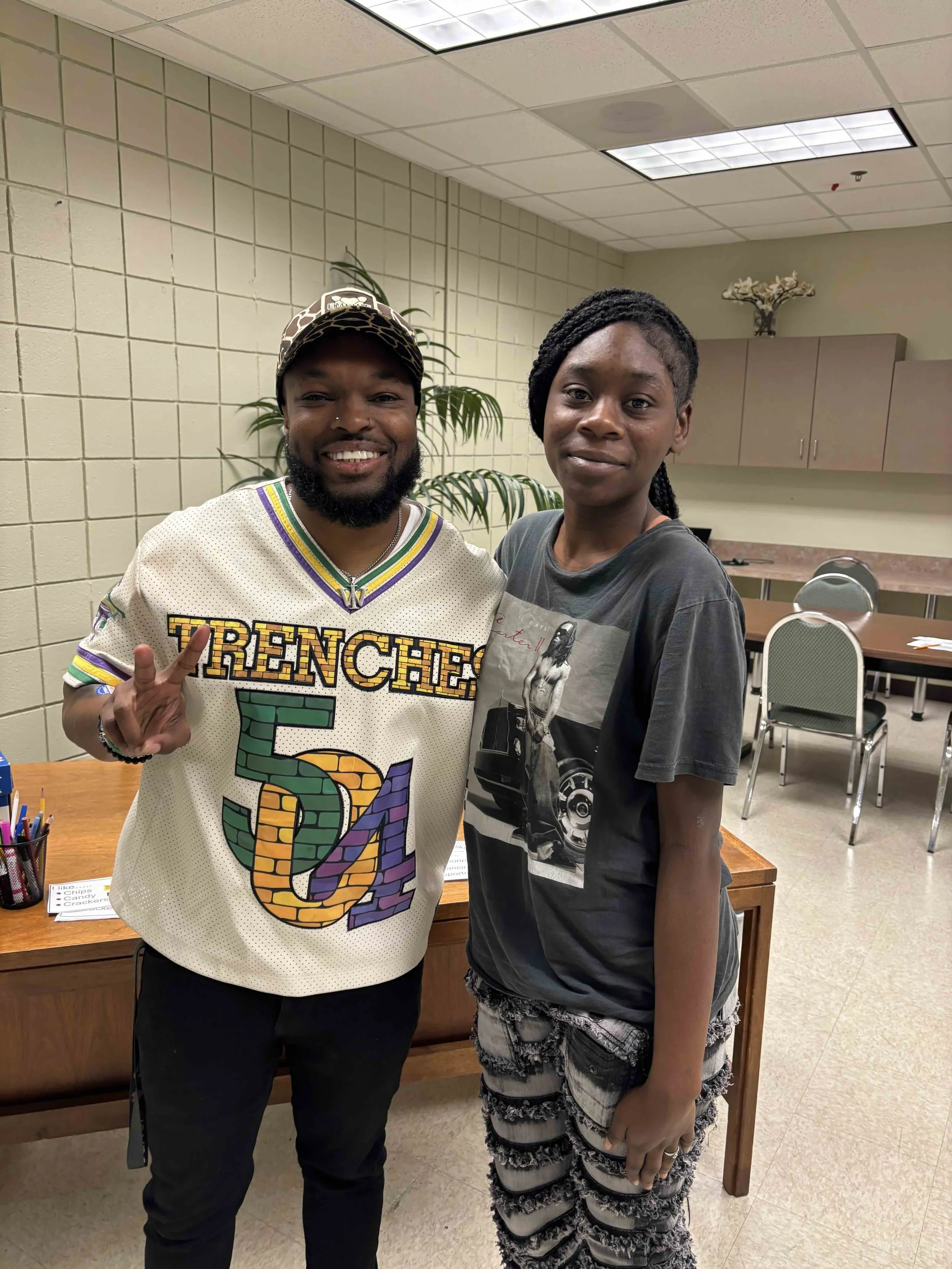
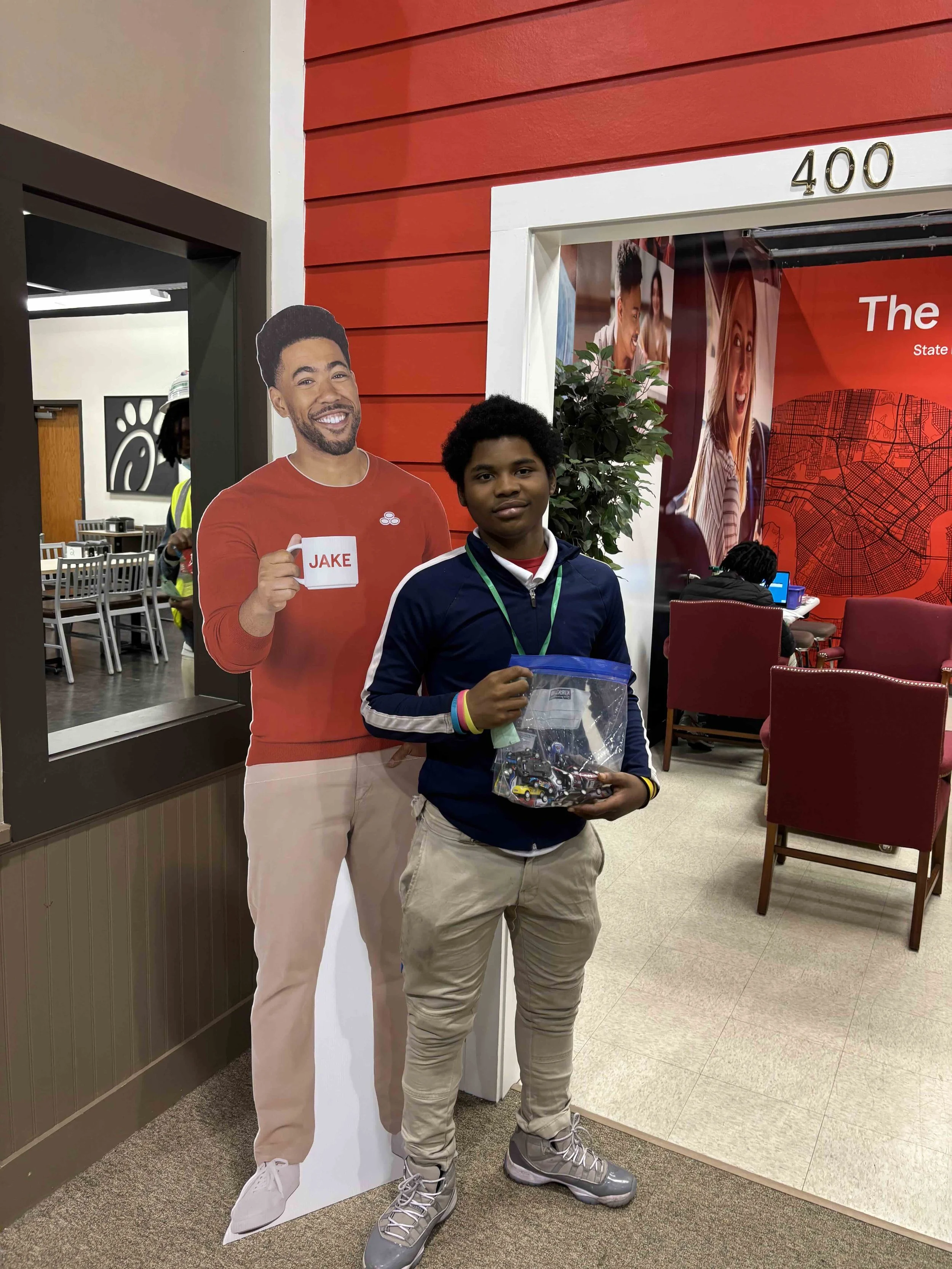
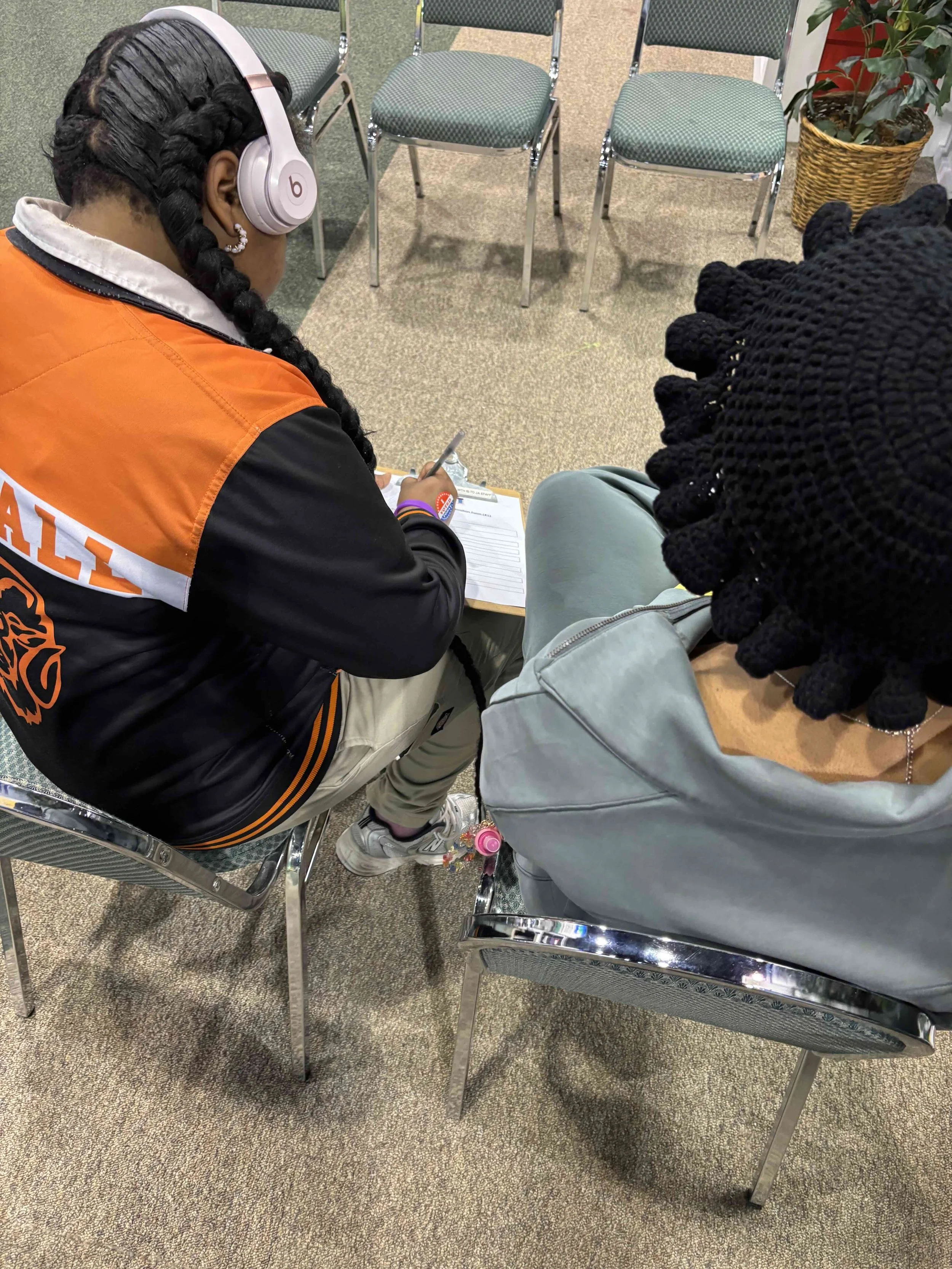
Every transaction required students to apply math, communication, and problem-solving skills in real time. They learned how businesses operate, how money moves through an economy, and how civic participation plays a role in a thriving community.
JA BizTown is designed to bring classroom concepts to life, but for SPED students, the impact is especially powerful. The experiential environment allows students to learn by doing, ask questions freely, and build practical skills in a way that feels accessible and engaging.
Students practiced interacting with customers, collaborating with coworkers, handling financial responsibilities, and making informed choices, which are all critical life skills that extend far beyond the simulation.
Experiences like JA BizTown align with JA’s broader mission to ensure students are academically prepared today and economically empowered tomorrow. By creating inclusive, hands-on learning environments, JA helps every student — regardless of ability — see themselves as capable contributors to their communities and future workplaces.
At the end of the day, students didn’t just leave with knowledge of how a point-of-sale system works or how to deposit a paycheck. They left with increased confidence, real-world exposure, and a deeper understanding of how they fit into the broader economic system.
And that is learning that lasts.